
Access what you've trained for.
Shaking hands, quickened breath, a tight throat — stage fright affects the body before you can think about it. So that's where we work.
For musicians, athletes, speakers, and anyone who performs in front of others.
Book a free conversation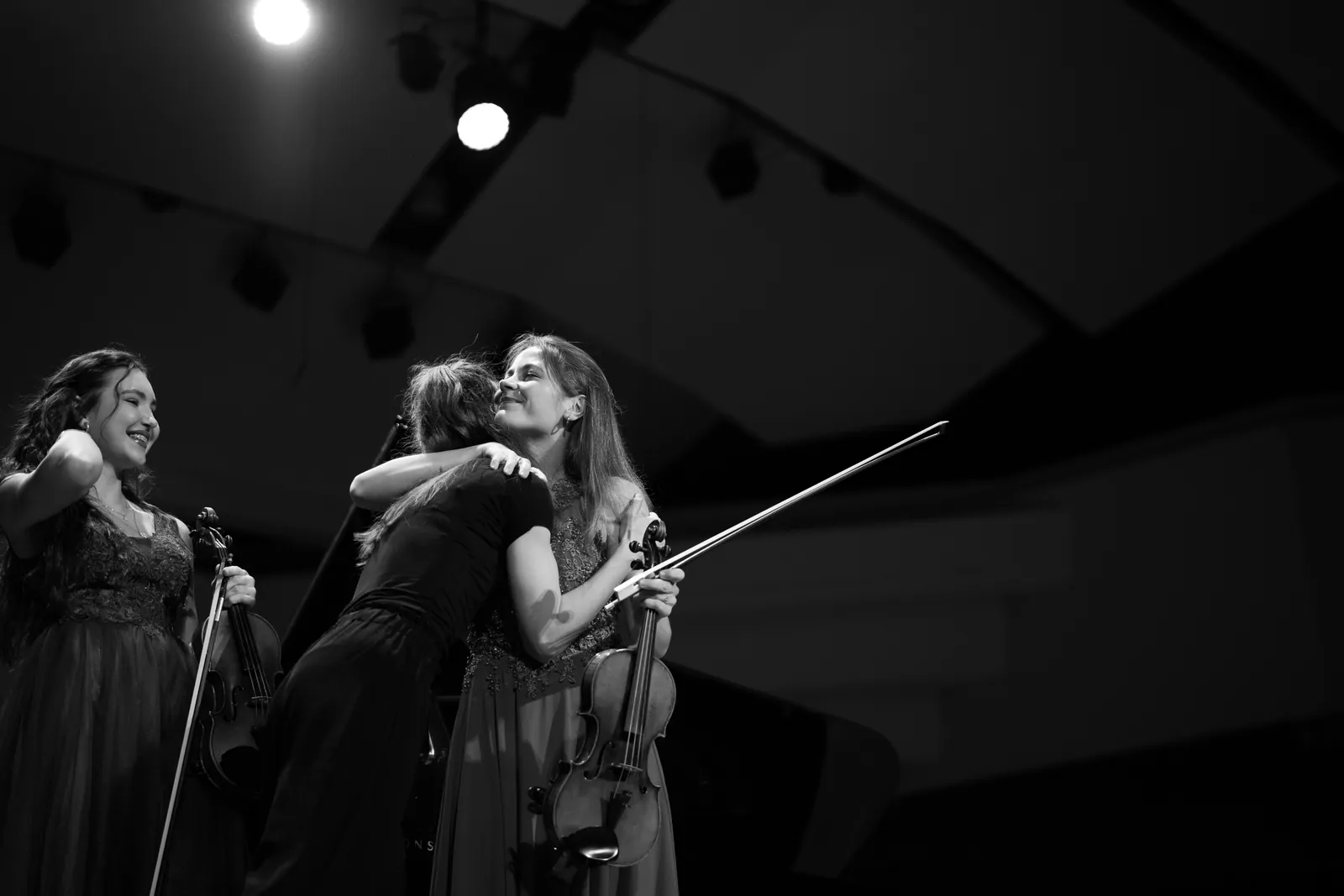
Recognise any of this?
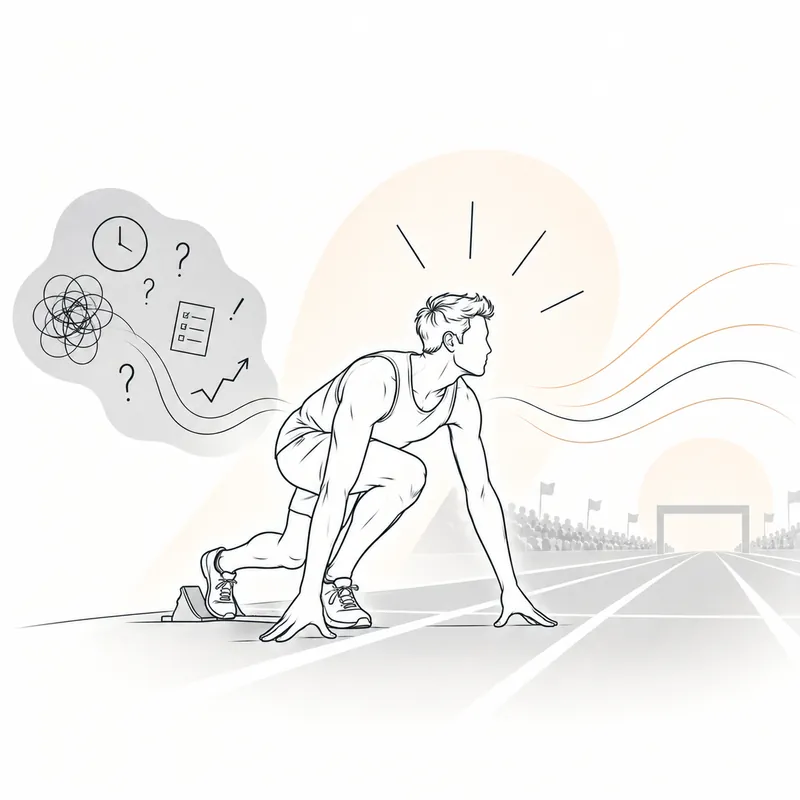
You've practised it hundreds of times. At the moment it counts, your body won't cooperate.
You know exactly what to say — until you have to say it out loud.
On your own it's there. On the day it isn't.
The night before isn't sleep. It's replaying scenarios.
Afterwards you remember one moment. The one that went wrong.
Motivation is hard to find when it isn't going your way.
What we build
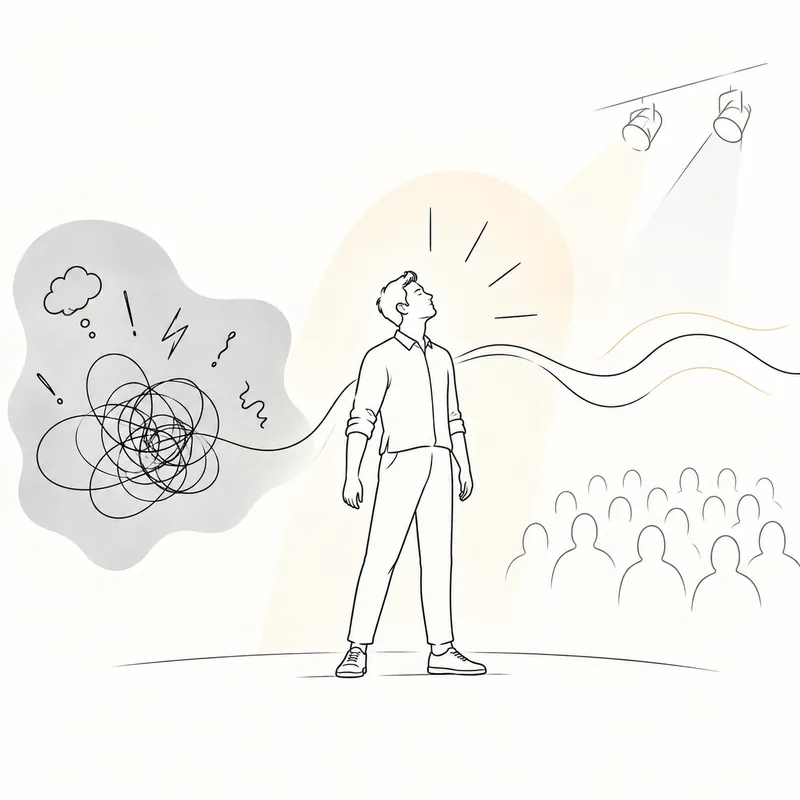
Readiness under pressure
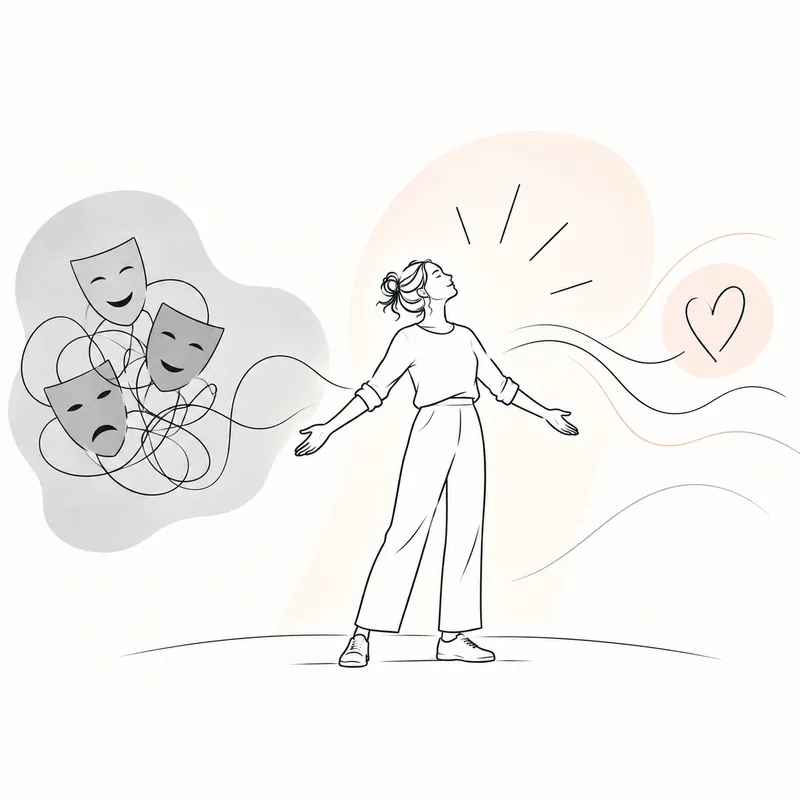
Authenticity
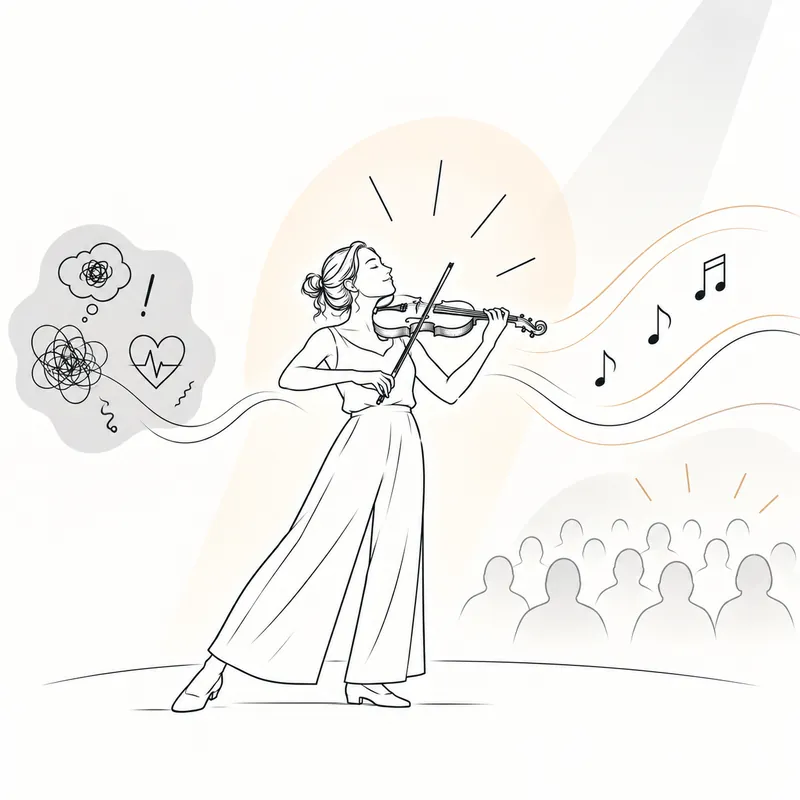
A calm body
Focused attention
This isn't about character
Stage fright is often read as a lack of confidence, or as weakness. That's a misunderstanding.
When you stand in front of an audience, your nervous system recognises a situation of being assessed and triggers a response designed for danger: faster breathing, tense muscles, blood draining from the hands, a narrowed field of attention. It's a precise and effective response — just one adapted for escape, not for performing.
That's why advice like “don't stress about it” fails. You're talking to a part of yourself that doesn't listen to words. The body reacts before a thought has time to form.
The good news is that it works the same way in the other direction. Through breath, attention and muscular tension you can reach that same nervous system — and shift it out of escape mode and into readiness at the moment that matters most.
Where I start
Presentation and performance training teaches you how to build a speech, where to look, what to do with your hands. Those are useful skills, and this works alongside them but answers a different question: what to do when the body reacts before the thought arrives.
I start with the body. With breath, which can be changed in a matter of seconds. With tension, which can be released in the minutes before you begin.
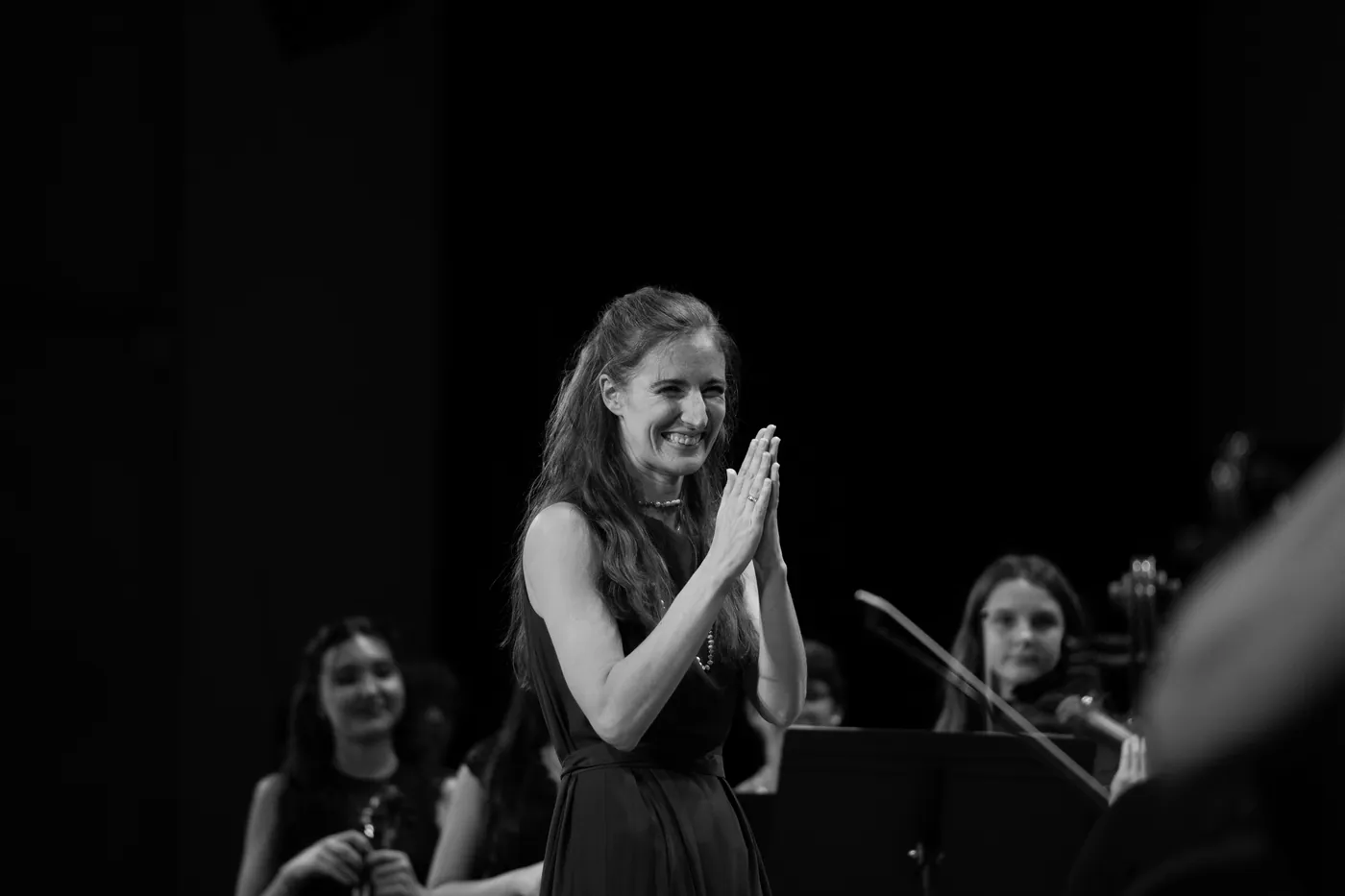
For over twenty years I've been a musician and a violin teacher, working with young musicians at workshops in Poland and abroad. I've been on both sides of it — performing, and teaching people who perform.
Who this is for
Musicians, actors, athletes
Work focused on a specific event — a competition, an audition, an opening night — or on lasting change in your relationship with performing.
Book a consultationTeenagers
Students at music, sports and arts schools face being assessed earlier than their peers — at auditions, competitions and tournaments. I work with them individually and in groups.
Programme for teenagersSpeaking at work
A presentation to the board, a conference, a conversation with a lot riding on it. The same mechanism, a different context. This is where people more often use the phrase performance anxiety — it's the same thing.
For organisations“I was surprised how quickly it works! The day after the workshop I tried two of the exercises — the breathing one just before going on, and the anchor on stage. It went much better than I expected, and I completely forgot about the passage I'd been worried about!”
First step
You don't need to know where to start. Book a free conversation — you tell me how it looks for you, and I'll tell you what I'd suggest.
Book a free conversation